
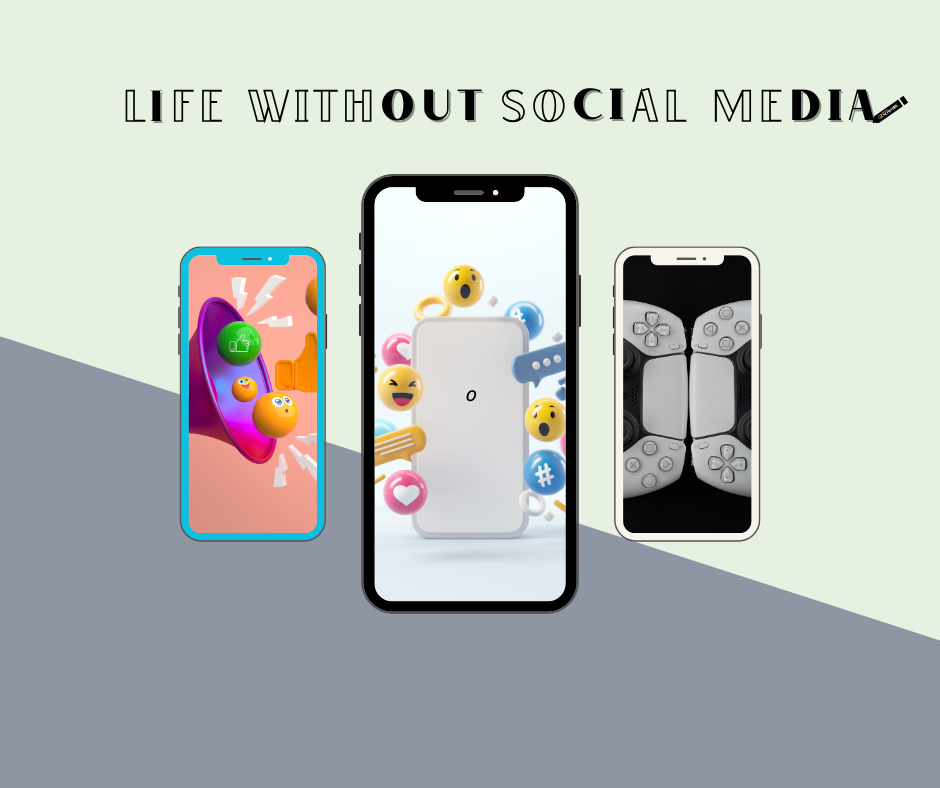
Some say back then (before social media had taken over our lives), things were simpler, but really?
During middle school, many of my close friends at that time had a penchant for online journaling. To fit in, I signed up for a “social media account” (defined as an account for socializing purposes). We would follow each other’s accounts and like and comment on others’ posts. This was before the rise of Facebook, Instagram, and now YouTube.
While I was trying to understand how the Internet had affected people back in the 2000s, I discovered a 2015 report released by Pew Research Center. One of its findings was that since 2000, the Internet usage of (self-identified) English-speaking Asian-American young adults (aged 18 – 29), had been higher than other ethnic groups in the US.
Interesting, isn’t it?
I can’t speak for others, but I, along with many friends of mine, started to use the computer at about age 7. Back then, “surfing the Internet on a computer” was one of the coolest things to do in our leisure time. It was a popular way to connect to the world, including sharing ideas online, making friends through social media accounts and online gaming.
In the late 1990s and early 2000s, I saw my dad gaming on the computer and a few years later we started to game on Playstation 1. Without any of these electronic devices, what would life look like?
*This article is inspired by Daily writing prompt.


Life before social media
From computers and Walkman to console gaming and pc (personal computer) gaming, my childhood was full of “technological devices” and, of course, the use of the Internet.
Although “wifi” was first introduced in the late 90s, it was not until the mid-2000s did it gain popularity.
Growing up in an era where everything started to change (in an exciting way) was magical. There was always something new each and every year. As a millennial living in a city my whole life, admittedly, I didn’t know what life was like without TVs, CD players, V8, desktops and laptops.
I grew up watching a variety of TV shows, such as Cartoon Network and Disney Channel. Tom and Jerry was my dad and I’s favourite – the only comedy we knew that required no language skills.
Since I almost grew up on the Internet, I (thought) could never live without it. When Facebook entered almost everyone’s life across the globe, I felt compelled to create and maintain my online presence. However, 8 years later I chose to delete the account (where I used to care about how many likes, comments and birthday wishes I received without including such information).
Removing myself completely from all social media platforms was terrifying for me at the beginning. Because I didn’t want to be forgotten or left out. It turned out it was the best decision I ever made to end my youth.
the Discovery
I grew up in a complicated household, so I turned to “objects” to feel seen and be comforted. These objects include toys, plushies, a recorder, blank cassette tape, a walkman (later an iPod Nano) and a computer.
My grandfather taught me to read and learn new things as much as I could. Therefore, when I discovered a story-writing platform on the Internet, it was a life-changing moment for an 11-year-old. A place where I could unleash my imagination and potential.
Unfortunately, it had to be a secret. Because it obviously wasn’t something a regular teenager would do and I wanted to “fit in” badly.
life as a private teenager
Was life really simpler back then? Not really for me, to be honest. I was a chameleon who tried to hide my true self from society by fitting in. The truth is, I was more myself when I hid behind the computer, writing, sharing and discussing fictional stories online.
Not only my classmates but some of my maternal family members were curious about my teenage life. It didn’t matter how much I already shared with others, they still wanted to know more.
It took me years to overcome peer pressure, including the time when I gained weight due to emotional eating. I wish everyone would just respect each other’s privacy and mind their own business.
writing is thinking
My mom broke her promise to me – she told her sisters that I was a writer. As I was writing this article, old memories consumed my mind.
What makes adults think they can lie or be dishonest with youngsters and claim their titles simultaneously? Like they have every right to treat us however they wish. If something goes wrong, they want us to own the mistake. On the contrary, if something nice happens, they want to claim their title (e.g.,” That’s my boy or girl! It’s all because of me!”).
Minors don’t usually question much, but I do – and that makes me “unique”. As most teachers and primary caregivers seek complete unanimity, I was told there were consequences for questioning the traditional authority figures (the structures set by the rule makers). This only led to more questions.
Why can’t I ask questions if I genuinely want to know the answers to things I couldn’t figure out myself or didn’t make sense?
What’s the point of learning to read and write if we are not allowed to think and ask questions?
My stories were all about friendship, love, trust and some hardships in life. I’m not going to lie that I lived vicariously through my fictional characters. It was a way for me to relieve stress until my aunt started to pry into what the stories were based on.
So, I stopped writing.
why i left social media
As previously mentioned, I left social media years ago. It was time. I stopped wanting unnecessary attention and seeking approval.
For the first two years being out of the public eye, I received private messages at times. Some asked directly about my intentions, while others just speculated about my motives and filled in the blanks for me.
The truth is, the “social media (Facebook) me” was not necessarily the real version of me.
when online presence becomes how people measure relationships
“You don’t have friends because I didn’t see you post photos with friends on social media.”
“I thought you only invited me because I am your only friend!”
“Why didn’t you post anything on social media? Why are you so secretive?”
“I saw your latest post, you went to that restaurant? Thought you were busy!”
“You’re such a rich girl! You travel so much!”
“What? Why are you friends with that person?”
“Why did you go out with that person? Are you two dating?”
I am no celebrity, but I felt my life was heavily scrutinized by “acquaintances”. For whatever reason, some people believed I owed them explanations.
Before deleting my account completely, I stopped posting photos and sharing any personal information.
Most people messaged me privately via text message or messenger. And that was acceptable to me at that time.
All in all, one of the many reasons why I chose to leave social media was that I didn’t want to “report” to anyone about my life, explain my motivations or follow others’ lives attentively. It came to a point where if I didn’t hit “the like button” or missed a post of a friend of mine, it meant I didn’t care about them.
life without social media
The very early stage of registering an account with Facebook was about reuniting people and connecting with others in a fun and engaging way. Yet, this social networking platform gradually became a battlefield for all types of attention-seeking behaviour.
Neither was I trying to impress anyone nor showing off anything – it was like going back to “online journaling” for me at one point (a valid reason to keep using it despite knowing it wasn’t for me anymore). Nonetheless, I eventually chose to leave the battlefield and live a real life.
Truthfully, if I hadn’t left social media, I probably wouldn’t have regained my passion for writing.
Having said that, I am on social media in one way because of Berelevant Network’s vision and mission. Managing this account has a different feel to it. My return to social media isn’t about me but about adults in our global community. I want my readers to be empowered to be dreamers, advocates, change-makers and activists.
Life with social media to me is about fitting in. Nevertheless, life without social media is about creating a sense of belonging collectively.
Epilogue
Even though I am not on social media personally, I am the brain behind Berelevant Network. For this reason, you can see my creations on social media platforms, including YouTube, Instagram, WordPress (website management and blogging) and Pinterest.
At 18, my first internship was at a Recovery home for patients who were discharged right after hospitalization. I fell in love with the people and their stories. It was the same year that I decided to take on more (unpaid) social responsibilities and volunteer for multiple non-profit organizations and foundations.
During the process of “giving”, I reflected on my life experiences and learned to appreciate myself. My life has changed drastically not only because of how much effort I have put into my studies and work but also because I have been loved and genuinely cared for by kind and supportive people (non-biological family members).
Going through workplace bullying, discrimination and career blocking myself made me realize how important it is to spread the messages.
Lastly, you can follow this blog and/or any categories that interest you to learn more about our impacts on mental well-being. If you are curious about what Berelevant Network is all about, feel free to explore different tabs on the navigation bar. We will always do what we believe is right, which is empowering adults and teams across all platforms, industries and households to reach collective success individually.
reference
Perrin, A. & Duggan, M. (2015, June 26). Americans’ Internet Access: 2000-2015. Pew Research Center. https://www.pewresearch.org/internet/2015/06/26/americans-internet-access-2000-2015/


Comments